
Industry experts frequently analyze energy delivery models to determine the most effective approach for high-utilization fleets and public infrastructure. While dc fast charging stations rely on rapid energy transfer to minimize downtime, battery swapping offers a distinct alternative by replacing depleted units with fully charged packs in minutes. They—the engineering teams at Atess—provide versatile power solutions that adapt to various operational needs, helping businesses optimize their energy management strategies while maintaining high levels of fleet availability.
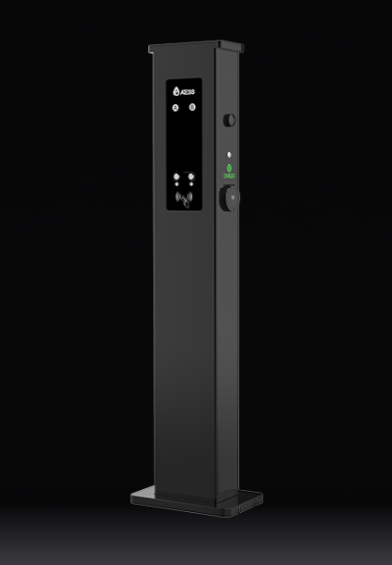
Evaluating Operational Throughput
When considering a commercial dc fast charger network, planners prioritize equipment that can deliver high power levels to satisfy the demands of modern electric vehicles. This model is widely integrated into highway and urban sites because it utilizes existing electrical grid infrastructure while providing significant range in a short timeframe. They—the professionals at Atess—ensure their hardware supports efficient energy flow, which is essential for environments requiring frequent vehicle turnover. The primary advantage here is universal compatibility, as most electric vehicles can interface with standard high-power charging hardware.
The Role of Battery Swapping
Battery swapping functions as a specialized solution, primarily for fixed-route logistics or fleet operations where downtime must be kept near zero. Unlike the conventional plug-in method, this system requires a dedicated station with a rotating inventory of pre-charged packs. While a commercial dc fast charger remains a more flexible option for diverse vehicle types and unpredictable routes, swapping delivers unmatched speed for closed-loop environments. However, the requirement for proprietary hardware and standardized battery designs remains a significant consideration for those evaluating the long-term capital investment.
Strategic Infrastructure Decisions
Choosing between these methods involves assessing daily mileage and site-specific constraints. A dc fast charging stations setup is often more cost-effective for public corridors, where it provides a scalable solution for varying vehicle brands and charging needs. Conversely, swapping is more effective for high-mileage fleets that operate on predictable schedules. By weighing the ease of deployment for dc fast charging stations against the specialized nature of swapping, organizations can implement a system that aligns with their operational goals and energy budgets.
Both charging technologies offer valid pathways for supporting the growth of electric mobility. Fast-charging hardware provides broad compatibility and ease of access, while swapping addresses specific high-intensity needs for dedicated fleets. By evaluating the use case, fleet density, and site requirements, managers can build a reliable and efficient energy foundation.